Translate

Showing posts with label predictions. Show all posts

Monday, 16 June 2025

AI in Elections: Power, Peril, and the Polls


AI + Elections: Navigating the Double-Edged Sword of Political Campaigns & Misinformation
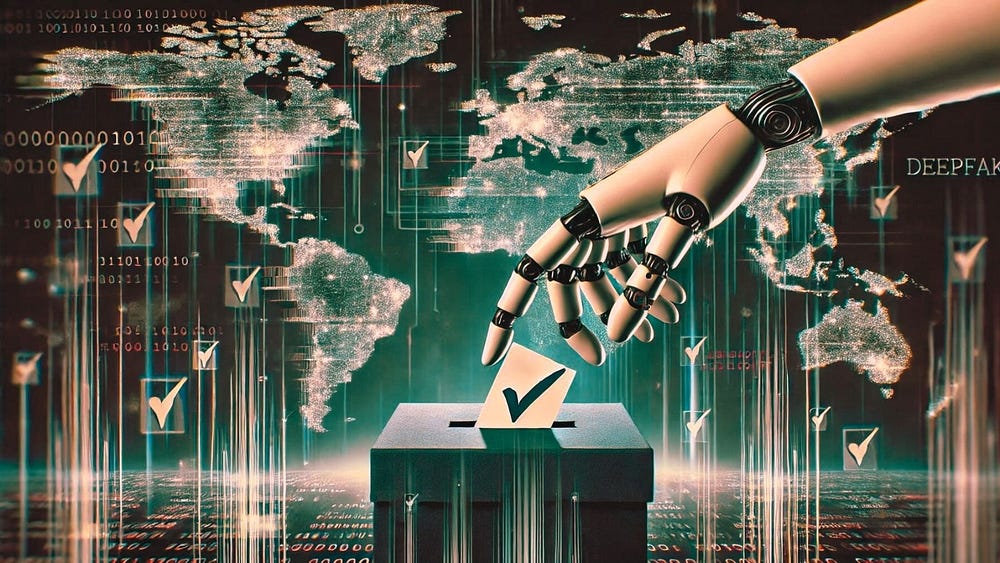

The year 2024 has been dubbed the “super election year,” with nearly half the world’s population heading to the polls. This unprecedented electoral activity has coincided with the rapid advancement of Artificial Intelligence (AI), leading to a profound transformation in political campaigning and, unfortunately, a significant amplification of misinformation. AI is no longer a futuristic concept; it’s a powerful force reshaping how political narratives are crafted, disseminated, and consumed.

The Rise of AI in Political Campaigns: Efficiency and Personalization

AI offers political campaigns unprecedented tools for efficiency and outreach. Gone are the days of solely relying on mass rallies and generic advertisements. Today, AI empowers campaigns to:
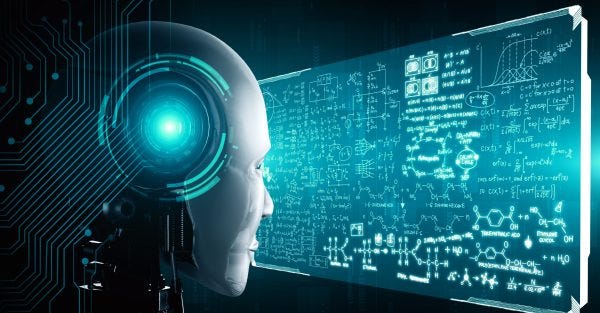

  • Microtarget Voters: AI algorithms analyze vast datasets, including demographics, voting history, social media activity, and even consumer patterns, to create granular voter profiles. This allows campaigns to tailor messages with remarkable precision, addressing individual concerns and interests. Imagine receiving a WhatsApp message from a candidate, referencing a specific government scheme you’ve benefited from, or an ad highlighting local issues relevant to your neighborhood — all powered by AI.
  • Personalized Outreach: From AI-powered chatbots answering voter queries to robocalls mimicking local politicians’ voices, AI enables highly personalized communication at scale. This significantly cuts campaign costs, making outreach more efficient and seemingly more personal.
  • Content Generation: Generative AI can produce text, images, and even videos from simple prompts, allowing campaigns to churn out a high volume of tailored content for ads, fundraising appeals, and social media posts. This levels the playing field for less-resourced campaigns, allowing them to compete with larger, well-funded ones.
  • Predictive Analytics: AI can process massive amounts of polling data and past trends to predict electoral outcomes, helping campaigns optimize resource allocation and strategize more effectively.

The Dark Side: AI as a Misinformation Multiplier

While the benefits are undeniable, the same power that allows for targeted persuasion also makes AI a formidable tool for spreading misinformation and disinformation. The ease and speed with which AI can generate realistic fake content pose a significant threat to democratic integrity:
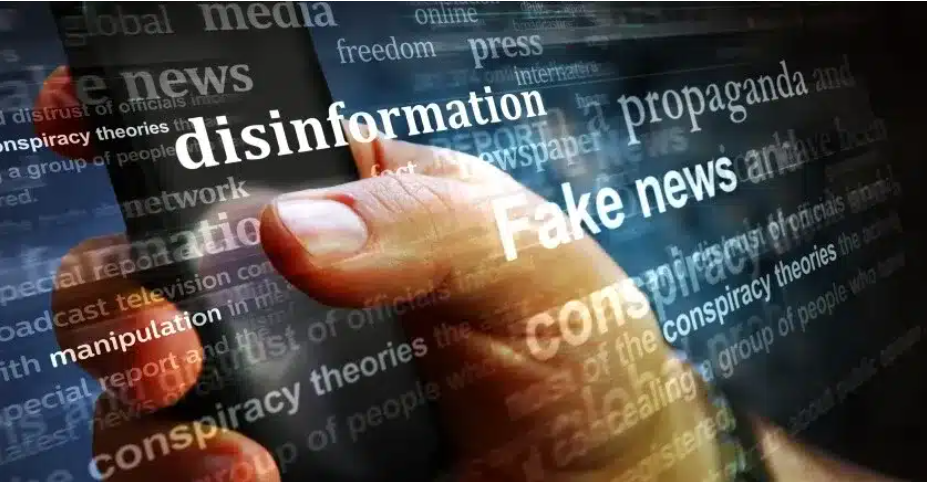

  • Deepfakes and Synthetic Media: AI tools can mimic faces, voices, and actions to create highly convincing fake videos and audio. We’ve seen instances where deepfakes have been used to portray politicians making false statements or endorsing specific agendas, blurring the lines between reality and fabrication. The sheer volume and realistic nature of AI-generated content make it incredibly difficult for the average consumer to distinguish between authentic and manipulated media.
  • Automated Propaganda: AI models can generate vast amounts of misleading or false narratives, often operating with minimal human oversight. These narratives can be strategically disseminated across social media platforms, targeting specific voter groups with precision, exploiting emotional triggers and social biases.
  • Erosion of Trust: The constant exposure to AI-generated fake news and manipulated content can erode public trust in legitimate institutions, media, and the electoral process itself. This can lead to increased societal division and make it harder for voters to make informed decisions.
  • Scalability and Speed: Unlike traditional forms of political manipulation, AI allows for the swift and inexpensive creation and propagation of disinformation on an unprecedented scale, making it challenging for fact-checkers and traditional media to keep up.

Real-World Impacts and Emerging Challenges

The 2024 elections have served as a testing ground for AI’s influence. While the immediate impact on election outcomes may have been limited in some cases, the long-term effects of eroded trust and a distorted information ecosystem are concerning. We’ve seen:

  • AI-generated robocalls cloning politicians’ voices to discuss local issues.
  • Deepfake videos used to reinforce negative narratives about opposing candidates or evoke nostalgia for past leaders.
  • AI-crafted memes and images openly shared by politicians and their supporters to push specific narratives, even if their artificial origins weren’t disguised.

These instances highlight the urgent need for a proactive approach to regulate AI in elections.

Towards a More Resilient Democracy: Regulation and Responsibility

Combating AI-driven misinformation requires a multi-faceted approach involving governments, political parties, tech companies, and citizens:

  • Clear Regulations and Disclosure: Several countries and regions are already implementing or considering laws requiring clear labeling of AI-generated content in political campaigns. This includes disclaimers stating that the material is “AI-Generated” or “Digitally Enhanced.” The Election Commission of India, for example, has issued advisories for mandatory labeling.
  • Ethical Guidelines for Political Parties: Political parties must adopt ethical guidelines for their use of AI, ensuring that these powerful tools are used responsibly to enhance voter outreach without manipulating emotional responses or spreading false information.
  • Tech Platform Accountability: Major online platforms need to develop robust mechanisms to identify and remove deceptive AI-generated content, working in collaboration with election officials and fact-checkers.
  • Public Education and AI Literacy: Empowering citizens to be discerning consumers of information is crucial. AI literacy campaigns can help individuals develop a more skeptical and critical mindset, building resilience against misinformation.
  • Investment in Detection Tools: Continued investment in AI tools designed to detect and counteract malicious AI-generated content is vital. This creates an “arms race” dynamic, where good actors use AI to combat the problems created by bad actors.

The integration of AI into election campaigns is a significant turning point. While the human element of leadership and grassroots connection remains vital, the efficiency and scalability offered by AI in data analysis, targeted communication, and content generation are proving to be powerful new forces in the battle for votes. The challenge lies in harnessing AI’s potential for democratic empowerment while safeguarding against its capacity for deception. The future of elections, and indeed democracy itself, hinges on our ability to navigate this complex landscape with foresight, robust regulation, and a collective commitment to truth and transparency.

Sources: indianexpress.com, vajiramandravi.com, wikipedia.com, thediplomat.com

Authored By: Shorya Bisht

Tuesday, 21 May 2024

AI vs Natural Calamities


The role and influence of AI in addressing, combating and predicting natural calamities.


Natural calamities, spanning from hurricanes and earthquakes to wildfires and floods, have inflicted widespread devastation on our planet for centuries. These catastrophic occurrences result in incalculable loss of life and property, often leaving communities in ruins. While we cannot entirely prevent or accurately predict these events, leveraging technology and innovation offers avenues to mitigate their impact. Artificial Intelligence (AI) is emerging as a powerful tool in disaster prevention, early warning systems, and response strategies.

 Understanding the Nature of Natural Disasters

Before exploring how AI can aid in disaster prevention, it's essential to grasp the diversity of these phenomena. Natural disasters encompass geological, meteorological, hydrological, and climatological events. Earthquakes, volcanic eruptions, and tsunamis fall within geological disasters, while meteorological events include hurricanes, tornadoes, and blizzards. Hydrological disasters involve floods and landslides, while climatological disasters encompass droughts, heatwaves, and wildfires.

The Imperative for Prevention

Although natural disasters are inherently unpredictable, their impacts can be mitigated through early intervention and effective preparedness. Given their potential for devastating economic, social, and environmental consequences, preventing these disasters or minimizing their effects is imperative on a global scale. AI, with its capacity to process extensive data, discern patterns, and offer real-time predictions, is revolutionizing disaster prevention efforts.Let's explore further the methods utilized by artificial intelligence (AI) and machine learning (ML) to forecast and withstand natural disasters.

 Early Warning Systems

Critical to disaster prevention is the provision of early warnings to vulnerable populations. AI-driven systems can analyze data from diverse sources, including weather sensors, satellites, and social media, to detect early indicators of impending disasters. For instance, in the case of hurricanes, AI algorithms can analyze atmospheric data to accurately predict their trajectory and intensity. These predictions enable authorities to issue timely warnings and facilitate the evacuation of at-risk areas, potentially saving countless lives.


Seismic Activity Prediction

AI facilitates a better understanding and prediction of earthquakes. Machine learning models analyze historical seismic data, monitor ground movements, and detect subtle changes in the Earth's crust to anticipate seismic events. While earthquakes may not be preventable, early detection allows people precious seconds or minutes to seek cover, potentially reducing casualties.


Forest Fire Prevention

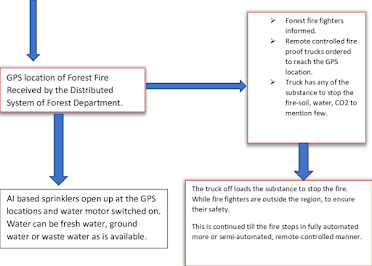
AI-powered systems play a crucial role in preventing wildfires, which have been increasing in frequency and intensity due to climate change. Drones equipped with AI algorithms can monitor forests for potential ignition sources, such as lightning strikes or campfires. AI can also analyze weather conditions to predict fire spread, enabling firefighters to strategize their efforts effectively.


Flood Prediction and Management

Floods, a recurrent disaster, affect numerous regions globally. AI models process data from rainfall gauges, river levels, and soil moisture sensors to predict when and where floods are likely to occur. Additionally, AI-driven flood modeling informs better infrastructure design and urban planning to reduce flood risk and damage.


 Landslide Detection

Landslides, often following heavy rainfall or earthquakes, pose significant threats to communities in hilly or mountainous regions. AI-based geospatial analysis identifies landslide-prone areas and issues early warnings. These systems rely on satellite data, ground sensors, and historical landslide events to pinpoint at-risk locations.


 Climate Change Mitigation

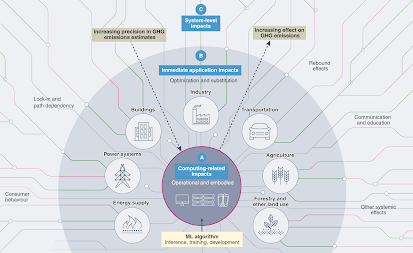
While not directly preventing disasters, AI contributes to mitigating climate change, the root cause of many natural calamities. Machine learning algorithms analyze climate data, identify trends, and develop strategies for reducing greenhouse gas emissions. AI optimizes energy usage, promotes renewable energy sources, and supports sustainable land use practices.


Disaster Response Coordination

AI enhances the coordination of disaster response efforts. Chatbots, virtual assistants, and automated systems streamline communication among emergency responders, government agencies, and affected populations. Real-time data analysis assesses the disaster's scope and optimizes resource allocation.


Challenges and Ethical Considerations

While AI holds promise in disaster prevention, it presents complex challenges and ethical considerations that require careful attention.


Data Privacy and Security

AI relies on extensive data, raising concerns about privacy and security. Data collection from various sources, including personal devices and sensors, necessitates safeguarding individuals' privacy and protecting against cyber threats.


Bias in AI

AI algorithms can inherit biases from training data, potentially resulting in inaccurate predictions or unfair resource allocation. Addressing bias requires careful data selection, preprocessing, and ongoing monitoring of AI models.


Accessibility and Equity

Ensuring equitable access to AI-driven disaster prevention tools is essential, particularly for historically disadvantaged communities with limited resources and infrastructure.


Accountability and Decision-Making

Clear lines of accountability and transparent decision-making processes are vital as AI becomes integral to disaster prevention efforts.


Overreliance on Technology

Balancing AI-assisted decision-making with human expertise is critical to avoiding overreliance on technology.


Infrastructure and Resource Constraints

Addressing infrastructure and resource disparities is necessary to ensure global accessibility to AI-driven disaster prevention technologies.


Conclusion

Artificial Intelligence is transforming disaster prevention and management, offering powerful capabilities to predict, prepare for, and respond to natural calamities effectively. Careful consideration of ethical concerns and equitable access to AI technologies are essential as we harness its potential to protect communities and our planet from the impacts of natural disasters.

Sources: .bbvaopenmind.com, nps.gov, researchgate.net, sciencedirect.com,                                                              nature.com,linkedin.com,mdpi.com

Compiled by: Shorya Bisht

                       Data Scientist

Monday, 20 May 2024

AI, ML & IPL


Exploring the Influence of Data Science on the Indian Premier League

The Indian Premier League has been a game-changer in the world of cricket since its inception. By bringing together top talent and underdogs in a thrilling 20-over format, it has elevated competition and the sport's prestige. Each year, the IPL aims to deliver the highest level of on-field action and intensity directly to fans, with every match filled with excitement and high-stakes moments.


The IPL has always been at the forefront of embracing new technologies to enhance the game and viewer experience. From the use of Snickometer to detect edges to hot spot tracking for umpiring decisions, technology has played a crucial role in improving the accuracy and fairness of the game.


One significant aspect of technological integration in the IPL is the utilization of artificial intelligence (AI) and Machine Learning (ML). Here are some key areas where AI & ML have made an impact:


Hawkeye Technology

Developed by Dr. Hawkins, this system uses cameras to track the ball's path from the bowler to the wickets, considering factors like spin and seam. AI analyzes this data to provide predictive analysis, aiding decisions like leg before wicket reviews and stumpings.


Statistical Analysis

AI-generated statistics on run rates, bowling economy, and player performance offer real-time insights into the game's dynamics, intensifying the excitement for fans.


Player Performance Analysis

AI and ML algorithms can analyze player performance data from past matches to identify patterns and trends. This analysis can help team management make informed decisions about team composition, player roles, and strategies.

Predictive Analytics

AI models can be trained to predict match outcomes based on various factors such as team composition, player form, weather conditions, and historical data. This can be useful for betting enthusiasts, broadcasters, and team strategists.


Fan Engagement

AI-powered chatbots and virtual assistants can enhance fan engagement by providing personalized experiences such as match updates, statistics, trivia, and fantasy league recommendations.

Broadcasting and Commentary

AI algorithms can be used to automate aspects of broadcasting, such as camera angles, replays, and commentary generation. This can improve the quality and efficiency of live broadcasts.

Injury Prevention and Management

ML models can analyze player biometric data to identify signs of fatigue or injury risk. This information can help coaches and medical staff make data-driven decisions to prevent injuries and optimize player performance.

Ticketing and Stadium Operations

AI can optimize ticket pricing based on demand forecasting and seat preferences. Additionally, ML algorithms can analyze crowd behavior to improve stadium security and logistics.

Match Fixing Detection

AI algorithms can analyze betting patterns and player behavior to detect potential instances of match-fixing or corruption, helping maintain the integrity of the sport.

Scouting and Talent Identification

AI can assist scouts and talent managers in identifying promising players from domestic leagues or international tournaments by analyzing performance metrics and player characteristics.


Looking ahead, AI's role in the IPL is poised to expand further. With advancements in data processing platforms like ADVIT, neural networks can be trained to make complex calculations, such as determining optimal team compositions based on player performances.

AI isn't just transforming the game on the field; it's also revolutionizing off-field aspects like advertising. Deep learning and AI technology enable targeted advertising during gameplay, catering to regional preferences and online habits.

Overall, AI's integration into the IPL has changed how we experience cricket, from watching matches to predicting outcomes. It has heightened the excitement for fans and provided new opportunities for stakeholders to leverage technology for their benefit. The IPL's embrace of AI underscores its commitment to innovation and enhancing the sport's appeal in the digital age.


Sources: automatonai.com, wordpress.com, analyticsvidhya.com, madaboutsports.in

Compiled by: Shorya Bisht

           Data Scientist

Unlocking the Black Box: A Practical Look at SHAP, LIME & XAI

 Making AI Models Explainable: Practical Use of SHAP, LIME & Other Techniques The “black box” nature of modern AI models poses significa...