The State of AI in 2025: Key Breakthroughs & What They Mean for Us
Remember those old sci-fi flicks where robots either served you tea or tried to take over the world? You know, the ones where AI was this distant, futuristic dream (or nightmare)? Well, pull up a chair, because that “distant future” is officially now. It’s 2025, and Artificial Intelligence isn’t just a cool gadget anymore; it’s the beating heart of our rapidly evolving world, quietly reshaping everything from how we work, play, and learn, to how we connect and even heal.
If 2024 felt like AI was just getting warmed up, 2025 is the year it truly hit its stride, roaring to life with unprecedented power and presence. We’re not just talking about smarter chatbots you occasionally poke for fun; we’re talking about AI making real decisions, collaborating with us, and pushing the boundaries of what we thought was possible. So, what exactly are these mind-bending breakthroughs, and what do they truly mean for all of us, as humanity navigates this thrilling new chapter? Let’s dive in and find out.
The AI Revolution: 2025’s Big Game Changers
This year, AI has truly come into its own, transforming from a cutting-edge curiosity into a core part of how things get done, globally. Here are the biggest shifts we’re seeing:
Generative AI Goes Everywhere (Ubiquitous Integration)
Remember when generative AI was mostly about creating quirky images or penning slightly odd poems? That’s ancient history now. In 2025, generative AI isn’t just a standalone tool; it’s practically woven into the fabric of everything. Think about it: your simple photo editor isn’t just correcting red-eye anymore; it’s letting you effortlessly swap out entire backgrounds with a simple command. Your work software is drafting emails, summarizing lengthy reports, and even helping you brainstorm presentations in seconds.
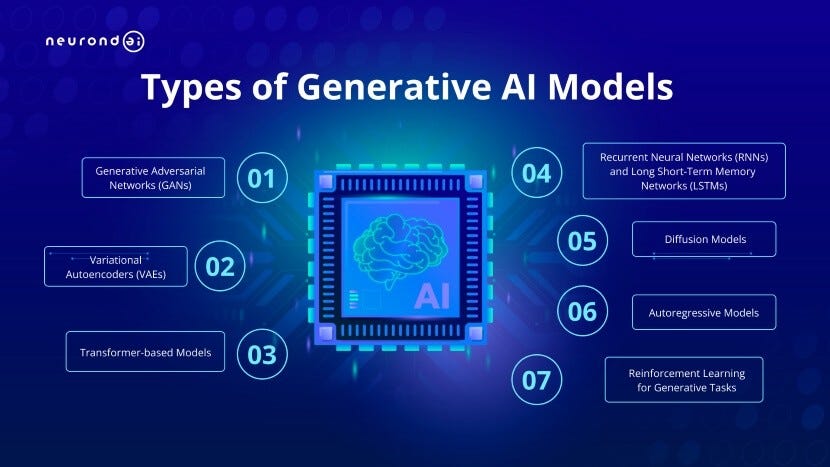
And here’s the best part: this isn’t just for the tech elite. The “democratization of AI” is in full swing. Super user-friendly interfaces and “low-code/no-code” platforms mean you don’t need a computer science degree to tap into powerful AI capabilities. It’s like going from needing a specialized workshop full of tools to having a super-powered Swiss Army knife in almost every pocket, ready for anything.
What’s even cooler? More and more AI magic is happening right on your personal devices. Thanks to “on-device AI,” pioneered by moves like Apple Intelligence and advancements in chip technology, powerful generative models can run directly on your phone or laptop. This means your private data stays private, and tasks happen at blazing speed, reducing reliance on distant cloud servers. It’s a huge win for both privacy and performance.
Multimodal AI: Speaking All Our Languages
One of the most jaw-dropping breakthroughs this year? AI that can “see,” “hear,” and “read” all at the same time. We’re talking about multimodal AI. This means AI systems can now seamlessly process and integrate information from text, images, audio, and video, all simultaneously, just like we do.
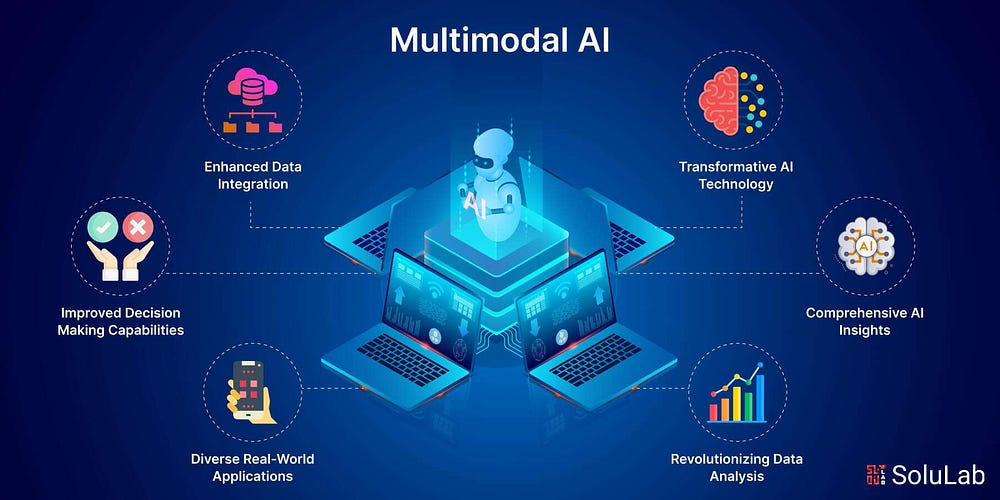
What does this truly mean for us? Well, virtual assistants are no longer just good at understanding your voice commands. They can now grasp context from what’s on your screen, from a photo you just took, or even from the nuances in your tone of voice. Imagine an AI that can analyze a medical scan, read a doctor’s handwritten notes, and listen to a patient’s description of their symptoms, all to help provide a more accurate diagnosis. Or planning your next adventure, where AI can sift through countless reviews, analyze photos of hotels, and even listen to travel vlogs to suggest the perfect itinerary. It’s truly incredible how much more natural and intuitive our interactions with AI have become.
The Rise of Agentic AI: AI That Gets Things Done (Autonomously)
This one feels a bit like science fiction finally crossing into reality. Agentic AI refers to AI programs that don’t just answer questions; they can actually perform complex tasks independently and even collaborate with other AIs or humans. Think of them as proactive team members, not just passive tools waiting for commands.
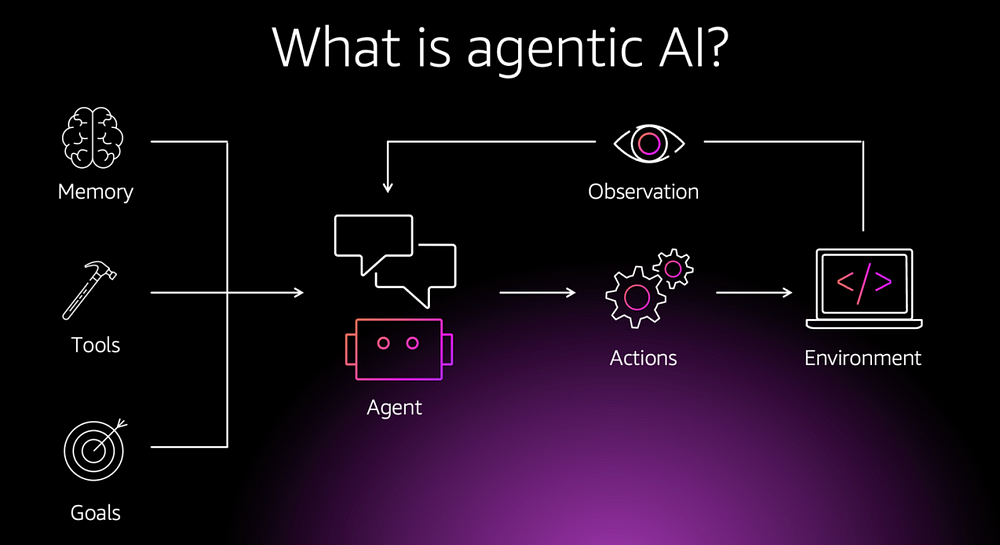
Right now, a lot of the initial applications are focused on more structured, internal tasks within organizations. We’re talking about AI agents handling repetitive HR queries, managing IT support tickets, or automating parts of a customer service workflow. But the long-term potential here is immense. We’re already seeing more self-learning robots that can adapt to new environments and autonomous systems transforming entire business processes, from optimizing global supply chains to personalizing individual customer outreach. It’s about AI proactively identifying problems and taking steps to solve them, often without constant human oversight.
AI That Can Really Think: Advances in Reasoning
For a long time, AI was brilliant at pattern matching but often stumbled when it came to genuine “reasoning.” Not anymore. In 2025, AI models are demonstrating increasingly sophisticated logical reasoning, complex problem-solving, and strategic thinking. We’re seeing a lot more “reasoning models” that, instead of just spitting out an answer, actually “think through” the problem, generating intermediate steps and explanations before arriving at a conclusion.
This is a monumental leap. It means AI is not just mimicking intelligence; it’s developing a deeper ability to understand, strategize, and even innovate. In various specialized domains, AI is now approaching human-expert levels, whether it’s in legal analysis, intricate financial modeling, or accelerating scientific discoveries. This leap in reasoning capability is driving significant intelligence gains across the board, making AI a true intellectual partner.
More Efficient, More Accessible, More Open
The sheer power of AI has always been impressive, but it used to come with a hefty price tag in terms of computing power and energy. That’s changing, fast!
- Lower Inference Costs: The cost of running AI models (what we call “inference”) has plummeted dramatically. This means businesses, researchers, and even individuals can use advanced AI without breaking the bank, making it economically viable for a much wider range of applications across the globe.
- Energy Efficiency: AI’s hunger for electricity is a real concern, given its massive data centers. But engineers are getting incredibly clever. Advancements in hardware design, innovative cooling systems, and more efficient AI architectures (like Mixture of Experts or MoE models) are making data centers more sustainable. While AI’s energy footprint is still growing, the rate of growth is being challenged by these crucial efficiency gains.
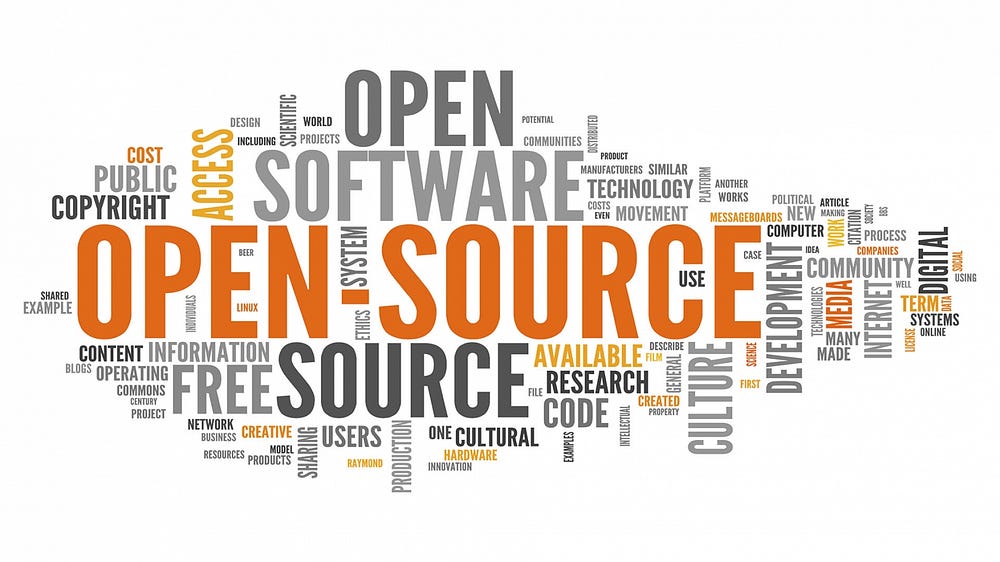
- Open-Source Revolution: You might have heard about big tech companies with their secret, super-powerful AI models. But in 2025, open-source AI models are seriously stepping up their game. They’re rapidly closing the performance gap with proprietary ones, often offering comparable capabilities. This fosters incredible innovation, allows smaller companies and individual researchers to contribute, and ultimately makes advanced AI more accessible to everyone, no matter where they are. This movement is truly global, accelerating progress in ways we haven’t seen before.
What These Breakthroughs Mean for Us: A Shifting Landscape for Humanity
All these mind-blowing AI advancements aren’t just cool tech — they’re shaking things up for humanity in massive ways. From our economies to our daily lives, AI is fundamentally reshaping the global landscape.
Economic Reshaping: Productivity, Jobs, and Global Standing
- Productivity Boom! Let’s talk about how we work. Widespread AI adoption is automating a ton of repetitive, tedious tasks in workplaces worldwide. This isn’t just about saving time; it’s about freeing up human workers to do what we do best: be creative, think critically, solve complex problems, and engage with others on an emotional level. Industries heavily exposed to AI are seeing productivity soar, with some reports suggesting a four-fold growth in efficiency. This makes businesses everywhere sharper, more adaptable, and more competitive.
- Job Evolution, Not Annihilation: This is a big one, and it’s easy to get scared by headlines about robots taking over. The reality in 2025 is far more nuanced. Yes, AI is changing jobs, and some tasks are being automated. But it’s also creating a ton of new opportunities globally. We’re seeing a huge demand for roles like AI ethicists (people who ensure AI is fair and responsible), AI trainers (who help teach AI models), AI engineers (who build and maintain these systems), and experts in human-AI collaboration. The trick for the global workforce is focusing on upskilling and reskilling — learning new tricks to work with AI, not against it.
- Global Investment & Innovation Hubs: While certain regions like North America continue to lead in private AI investment, there’s a massive surge in AI funding across Asia, Europe, and other emerging markets. This global influx of capital is fueling rapid innovation and pushing companies everywhere to become “AI-native,” meaning AI isn’t just an add-on, it’s at the very core of how they operate. This sustained global investment ensures humanity as a whole remains at the forefront of AI development.
- The Global AI Race: It’s no secret that there’s a fierce global competition for AI dominance, particularly between major powers. This isn’t just about bragging rights; it’s about technological leadership, economic influence, and even national security on the world stage. This intense competition is driving unprecedented innovation and accelerating the pace of discovery for everyone.
Infrastructure & Resources: The AI Power Play
- Energy Demands: Here’s a less talked about but super important point: AI is hungry for energy. The massive data centers needed to train and run these powerful AI models consume an incredible amount of electricity. In 2025, AI systems are projected to consume a significant portion of global data center power. This is a critical concern for energy grids worldwide, pushing for greater investment in sustainable and renewable energy sources.
- Supply Chain Resilience: The advanced chips and hardware that power AI are vital. The global push is towards diversifying supply chains and building more resilient manufacturing capabilities for critical components, reducing dependence on any single region. This ensures the continuous flow of innovation globally.
- Cybersecurity’s New Front: AI is a double-edged sword here. It’s a powerful tool for enhancing our cybersecurity defenses, helping us detect and neutralize threats faster than ever before. But it also presents new threats, with the rise of AI-powered cyberattacks that are more sophisticated and harder to detect. It’s a constant global arms race between AI-powered offense and defense.
Societal Transformation: From Healthcare to Daily Life
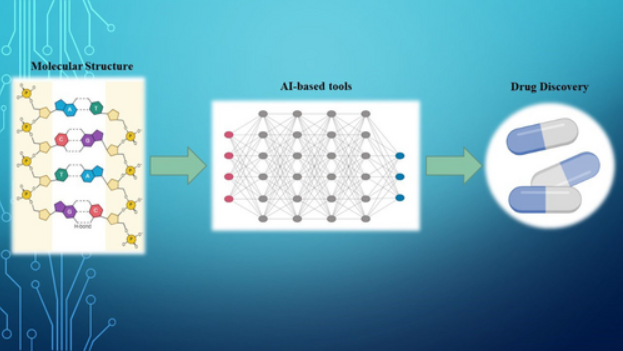
- Healthcare Revolution: This is where AI is truly saving lives on a global scale. AI-powered diagnostics are reaching accuracy levels comparable to human doctors, improving early detection of diseases like cancer and allowing for more personalized treatment plans. Drug discovery, which used to take years and billions of dollars, is being accelerated by AI, bringing new cures and therapies to market faster for everyone. Imagine AI significantly reducing misdiagnosis rates worldwide — that’s happening now.
- Personalized Education: Remember one-size-fits-all schooling? AI is blowing that out of the water. AI-powered learning platforms are creating genuinely individualized educational experiences, offering personalized support, adaptive learning paths, and tailored materials to students of all ages, no matter their location. This means everyone can learn at their own pace, focusing on areas where they need the most help, democratizing access to quality education.
- Smarter Homes & Cities: Your smart home isn’t just listening to commands anymore; it’s anticipating your needs. AI is making our living environments more integrated and predictive, from optimizing energy consumption to personalized comfort. And cities are becoming “smarter” with AI optimizing traffic flow, managing public services, and even improving waste collection, leading to more sustainable and efficient urban living for billions.
- Ethical Considerations & Global Governance: With great power comes great responsibility, right? As AI gets more powerful, we’re seeing increased urgency around ethical issues worldwide. We’re talking about AI bias (where AI can inherit and amplify societal prejudices from its training data), data privacy, intellectual property rights, and the scary potential for “deepfakes” and misinformation to disrupt societies. Governments, international organizations, and civil society groups are all engaged in intense discussions around AI ethics and global governance frameworks, striving to ensure AI is developed and used responsibly for the benefit of all humanity.
- Public Perception: While global optimism about AI is generally rising, there are still pockets of concern and caution. This highlights the ongoing need for transparent AI development and clear communication about AI’s benefits, while also openly addressing its risks and societal implications. Building global trust is absolutely key.
The Road Ahead: Challenges and the Future of AI
So, AI in 2025 is pretty awesome, but it’s not without its bumps and twists. We’ve got some serious hurdles to jump, and the future is still unwritten, shaped by our collective actions.
Current Hurdles We’re Still Jumping
- Data Bias & Accuracy: AI is only as good as the data it learns from. If the training data is biased — reflecting unfair historical patterns or lacking diverse representation from various cultures and demographics — then the AI will inherit and even amplify those biases. This can lead to unfair outcomes in critical areas like hiring, lending, or even legal judgments. Ensuring fair and accurate AI, reflecting the diversity of humankind, is a constant, global battle.
- Lack of Transparency (The “Black Box” Problem): Some of the most powerful AI models, especially deep learning systems, are like “black boxes.” They can give you incredibly accurate answers, but they can’t always explain how they got there. This lack of transparency is a big deal, particularly in high-stakes fields like healthcare or law enforcement, where understanding the why behind a decision is crucial for global trust and accountability. We’re working on “explainable AI” (XAI), but it’s still a tough nut to crack.
- Talent Gap: The demand for people who can build, manage, and ethically deploy AI is through the roof, globally! There simply aren’t enough skilled professionals to keep up with the rapid advancements. This “talent gap” is a major bottleneck for businesses and a priority for educational institutions and governments worldwide.
- Energy Consumption: We touched on this already, but it bears repeating: the environmental footprint of these massive AI models is a growing global concern. Finding sustainable and efficient ways to power AI’s exponential growth is a critical challenge for the coming years, requiring international cooperation.
- Regulatory Lag: Technology moves at warp speed, but laws and regulations often crawl. Governments and international bodies are struggling to keep up with the rapid advancements in AI, leading to a patchwork of national and regional laws. Establishing clear, effective, and flexible global regulations that foster innovation while protecting society is a monumental, collaborative task.
The Human Element: Staying in Control
As AI becomes more capable, the question of human oversight becomes even more important. We’re seeing a strong emphasis on “human-in-the-loop” systems, where humans retain final decision-making authority, especially in critical applications. The ongoing debate about “true” AI autonomy versus human-guided AI is very real and complex. It’s about prioritizing human values and making sure AI serves us, not the other way around. Our collective goal is to build AI that amplifies human potential, not diminishes it.
The Uncharted Territories
Beyond what we can see now, there are still some wild frontiers that beckon:
- Quantum AI Synergy: We’re still in the very early days, but imagine the mind-bending power of combining quantum computing with AI. This could unlock solutions to problems that are currently impossible, impacting everything from drug discovery to climate modeling.
- Self-Improving AI: What happens when AI systems become truly capable of improving themselves, learning and evolving without direct human intervention after initial deployment? This is a topic of both immense excitement and cautious debate, raising fundamental questions about control and direction.
- AI in Space Exploration: From autonomous probes exploring distant planets to AI-powered life support systems on long-duration missions, AI will play a huge, global role in humanity’s quest to reach for the stars.
- Global Disaster Management: AI is already helping predict and respond to natural disasters, but its potential for mitigating suffering and saving lives in the face of increasingly extreme weather events worldwide is enormous, providing early warnings and coordinating relief efforts.
Conclusion: Our Choice, Our Future
So, here we are in 2025. This year has truly been monumental for Artificial Intelligence. We’ve seen AI move from the lab into practically every corner of our lives, transforming how we interact with technology, do our jobs, and even think about the future. Generative AI is everywhere, multimodal AI understands us better than ever, agentic AIs are getting things done, and AI models are truly starting to reason. Plus, it’s all becoming more affordable and accessible, thanks to efficiency gains and open-source contributions.
For all of humanity, this means a massive shake-up and incredible opportunities. We’re seeing unprecedented productivity boosts, an evolution of the job market, and continued global leadership in AI innovation. But we also face critical shared challenges: managing AI’s enormous energy demands, securing our global supply chains, navigating complex ethical minefields, and fostering responsible development amidst intense international competition.
The future of AI isn’t some predetermined path; it’s being shaped by the choices we make today, as a species. How we collectively develop, deploy, and regulate these powerful tools will define whether AI becomes our greatest asset or our biggest challenge. It’s on all of us — technologists, policymakers, educators, and everyday citizens across every continent — to engage, learn, and demand responsible AI. Let’s make sure that as AI continues to reach for the stars, it always brings humanity along for the ride, amplifying our potential and building a better world for everyone
Sources: jaroeducation.com, solulab.com, aws.amazon.com, engineering.fb.com, wikipedia.com
Authored by: Shorya Bisht