Understanding Robotics & Where India
Stands On This Front
What is Robotics?
Robotics involves the application of science,
engineering, and technology to create and utilize machines programmed to
imitate, substitute, and assist humans. These robots are increasingly pervasive
across multiple sectors such as manufacturing, healthcare, agriculture, and
logistics.
In the 21st century, robotics has seen
substantial growth, with extensive research into the capabilities and
applications of robots. In India, the field is still developing, and achieving
significant socio-economic benefits will require coordinated and collaborative
efforts.
Robotics
encompasses the creation, assembly, and utilization of machines, known as
robots, which are engineered to carry out functions traditionally undertaken by
humans.
Robots find extensive application in sectors
like automobile manufacturing, where they handle routine, repetitive duties, as
well as in environments perilous to human safety.
Artificial intelligence plays a pivotal role in
robotics, with robots often endowed with capabilities akin to human senses such
as sight, touch, and temperature detection.
History of Robotics
During the Industrial Revolution and the Age of
Enlightenment, England witnessed a surge in emphasis on engineering,
mathematics, and science, which spurred the progression towards integrating
robotics into society.
The 1930s saw a rise in computer popularity,
which catalyzed the development of Numerically Controlled (NC) machines, laying
the groundwork for industrial robots.
The earliest documented industrial robot dates
back to 1937, when Griffith Taylor
engineered a crane-like device capable of autonomously stacking wooden blocks
based on predefined patterns.
In 1954, George
Devol, often hailed as the ‘Grandfather of Robotics,’ secured the first
patent for an industrial robot.
By the 1990s, remote-controlled robots
revolutionized industries by introducing synchronized operations.
Laws of Robotics
Isaac Asimov formulated the "Three
Laws of Robotics," which were articulated within his fictional works to
establish ethical guidelines for interactions between humans and robots:
1. The First Law states
that a robot must not harm a human being or, through inaction, allow a human
being to come to harm.
2. The Second Law
mandates that a robot must obey orders given by humans, except where such
orders conflict with the First Law.
3. The Third Law requires
a robot to protect its own existence as long as such protection does not
conflict with the First or Second Law.
Components of a Robot
A robot typically consists of several key
components that work together to enable its functionality. These components can
vary depending on the type and purpose of the robot, but generally include:
Sensors
These
are devices that allow the robot to perceive its environment. Sensors can
include cameras for vision, touch sensors, proximity sensors, gyroscopes for
orientation, accelerometers for motion detection, and various other types
depending on the robot's needs.
Actuators
Actuators are responsible for physically moving
the robot or its parts. Common actuators include electric motors, pneumatic
actuators (using air pressure), hydraulic actuators (using liquid pressure),
and piezoelectric actuators (using piezoelectric materials).
Controller
The controller is the brain of the robot,
responsible for processing sensory information, making decisions, and sending
commands to actuators. It often includes a microprocessor or microcontroller
along with software for controlling the robot's behavior.
Manipulators
These are the parts of the robot that interact
with objects or perform tasks. Manipulators can include robotic arms, grippers,
end-effectors (tools attached to the end of the arm), and other specialized
tools depending on the application.
Power Supply
Robots require energy to operate their
components. This can range from batteries for small robots to industrial power
supplies for larger and more complex robots.
Communication
Many robots are equipped with communication
systems to interact with humans or other robots. This can include wireless
communication protocols, Ethernet connections, or specialized communication
systems depending on the robot's application.
Software
Beyond the hardware components, robots also require
software to control their behavior, process sensory data, make decisions, and
execute tasks. This software can range from simple algorithms to complex
artificial intelligence and machine learning systems.
These components work in synergy to enable robots
to perform tasks autonomously or under human supervision, depending on their
design and programming.
Categories of Robots
Robots come in a variety of types, each
designed for specific tasks, environments, and functionalities. Here are some
common types:
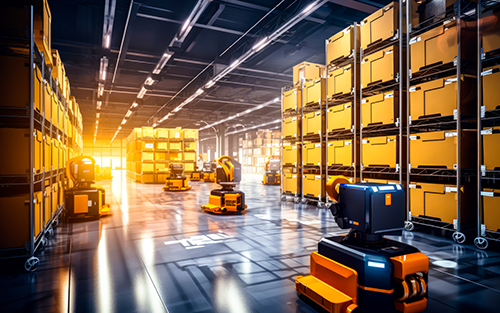
Autonomous Mobile Robots (AMRs)
These
robots navigate autonomously using sensors, cameras, or laser systems. They are
often used in dynamic environments such as warehouses and logistics centers for
tasks like goods transportation.
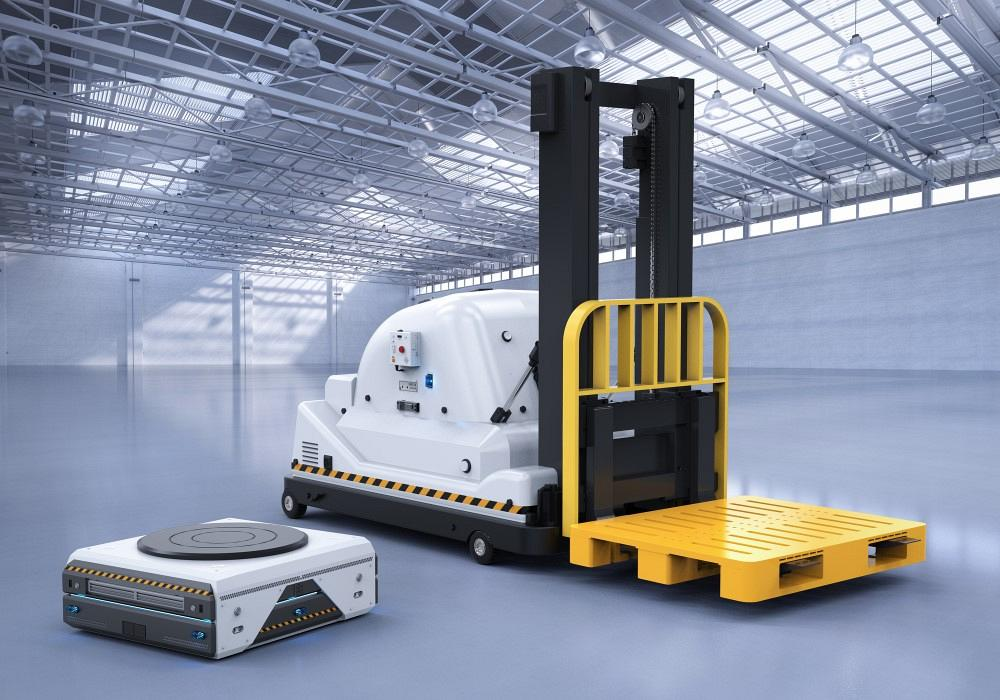
Automated Guided Vehicles (AGVs)
AGVs operate along predefined paths or tracks
and typically require operator supervision. They are commonly used in
controlled environments such as factories and warehouses to transport materials
and goods.
Articulated Robots (Robotic Arms)
These robots mimic the functions of a human arm
with multiple rotary joints (typically two to ten). Each joint or axis adds to
their range of motion, making them suitable for applications like arc welding,
material handling, machine tending, and packaging.
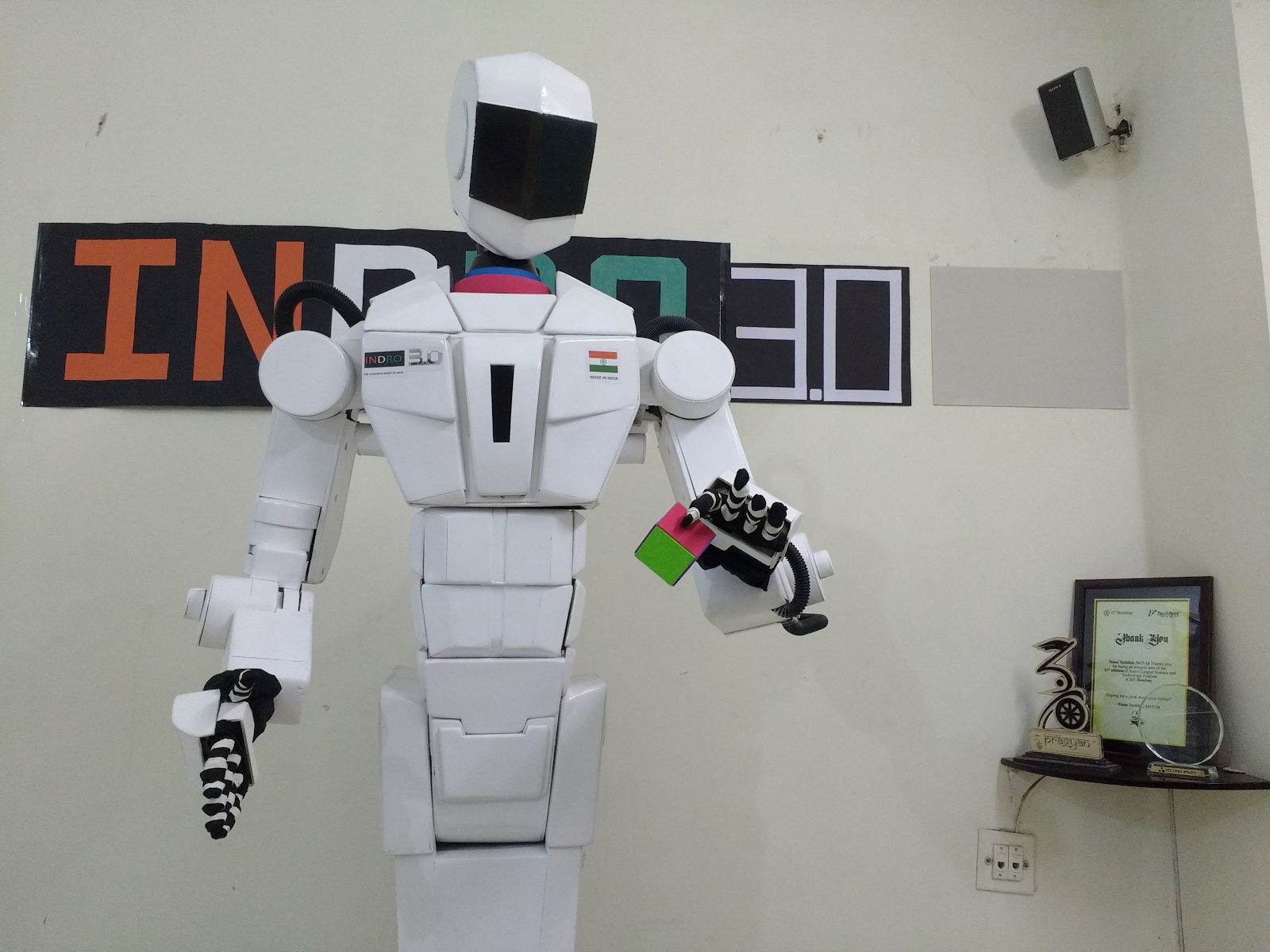
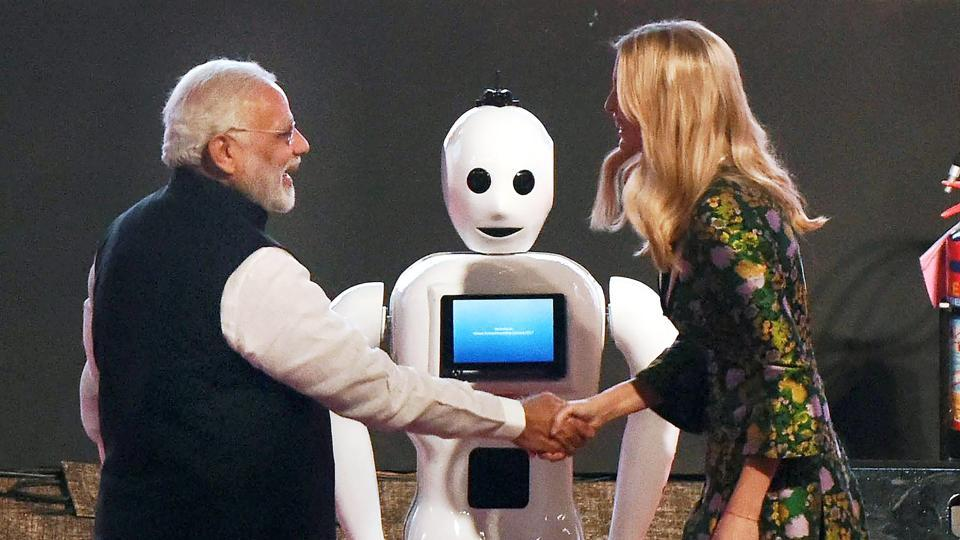
Humanoid Robots
These robots resemble human features and can
mimic human movements and actions. They find applications in research,
entertainment, and as companions for individuals with disabilities or the
elderly. An example is Sophia, a well-known humanoid robot.
Collaborative Robots (Cobots)
Cobots are designed to work alongside or
directly with humans in shared workspaces. They can assist with tasks that are
manual, hazardous, or strenuous, enhancing productivity and safety. YuMi from
ABB is a popular example used in electronics assembly.
Hybrids
These robots combine features from different
types to create versatile solutions capable of performing complex tasks. For
instance, an AMR equipped with a robotic arm could handle package sorting and
handling in a warehouse efficiently.
Each type of robot is tailored to meet specific
industry needs, leveraging advancements in technology like artificial
intelligence, machine learning, and sensor systems to enhance their
capabilities and adaptability in various operational settings.
Robotics in India
India has significantly advanced its industrial
capabilities by embracing cutting-edge manufacturing technologies such as
robotics, resulting in substantial gains in productivity over the past decade.
Between 2016 and 2021, the operational stock of
industrial robots in India doubled, underscoring its growing adoption in the
manufacturing sector. According to the World Robotics Report 2022, India ranked
10th globally in annual industrial robot installations, highlighting its
expanding presence in the global robotics landscape.
Despite these strides, India's growth in the
robotics sector has been comparatively slower than that of some developed
economies. To bolster this ecosystem, the government has launched several
initiatives:
1. The establishment of the Artificial Intelligence and Robotics
Technology Park (ARTPARK) and the Technology Innovation Hub under the
National Mission on Interdisciplinary Cyber-Physical Systems (NM-ICPS), aimed at
harnessing AI and robotics technologies.
2. The creation of the Center for Advanced Manufacturing for Robotics and Autonomous Systems
(CAMRAS) to promote indigenous development and reduce dependence on
imported robotics and autonomous systems.
3. The I-HUB
Foundation for Cobotics (IHFC) at IIT Delhi, which has initiated eight
major projects in fields such as Medical Simulators, Healthcare Robotics,
Rehabilitation Robotics, and Drone Applications.
Furthermore, India has drafted a National
Strategy for Robotics with the goal of positioning the country as a global
leader in robotics by 2030, aiming to leverage its transformative potential
across various sectors.
Application of robotics
Robotics has found diverse applications across
various industries, showcasing its versatility and transformative impact:
Manufacturing and Assembly
Robots are integral to automotive assembly
lines, performing tasks such as welding, painting, pick-and-place operations,
and quality control.
Healthcare
Robots assist surgeons in performing precise
surgeries, accelerate recovery times, and aid in rehabilitation through robotic
exoskeletons. Telemedicine robots enable remote consultations, crucial in
underserved areas. For example, Toyota's healthcare assistants support walking
rehabilitation for patients.
Logistics
In warehouses, robots manage inventory,
sorting, and packaging operations, significantly boosting efficiency.
Autonomous Mobile Robots (AMRs) navigate warehouses autonomously, further
enhancing productivity.
Agriculture
Agricultural robots play a vital role in
planting, harvesting, and monitoring crops, promoting precision farming.
Autonomous tractors are used for tasks like planting and harvesting, while
agricultural drones survey fields for crop health assessment.
Retail and Hospitality
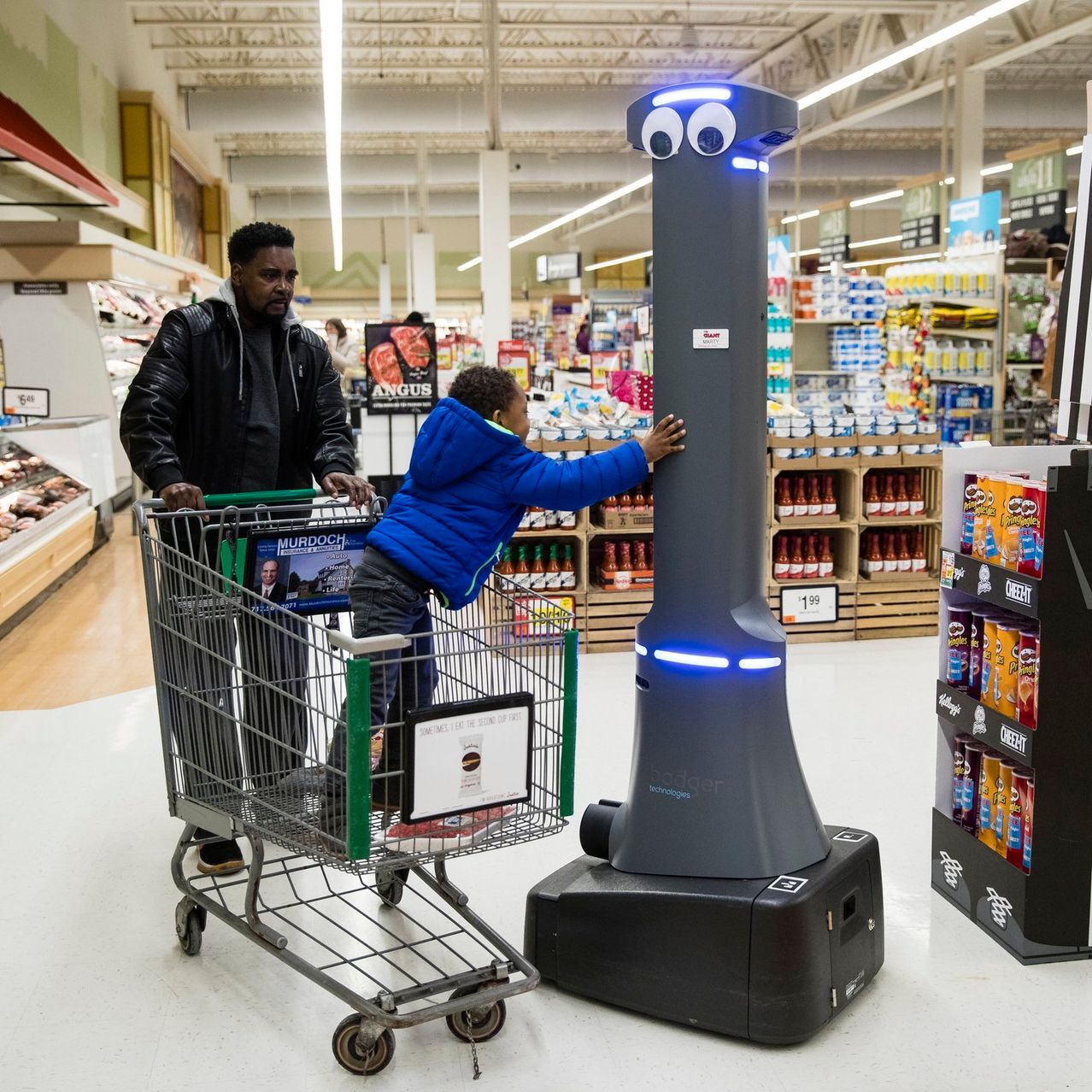
Robots streamline customer experiences by
automating inventory management, providing navigation assistance, and offering
services such as baggage handling or parking valet.
Education
Robots are employed in classrooms to engage
students in STEM subjects through interactive learning experiences.Softbank
Robotics' Nao model is used in educational projects like the L2TOR European
research, teaching children a second language.
Space Exploration
Robotics technology is indispensable for space
missions, facilitating exploration of planetary surfaces and collection of
samples. Rovers like NASA's Curiosity exemplify this capability.
Defence and Security
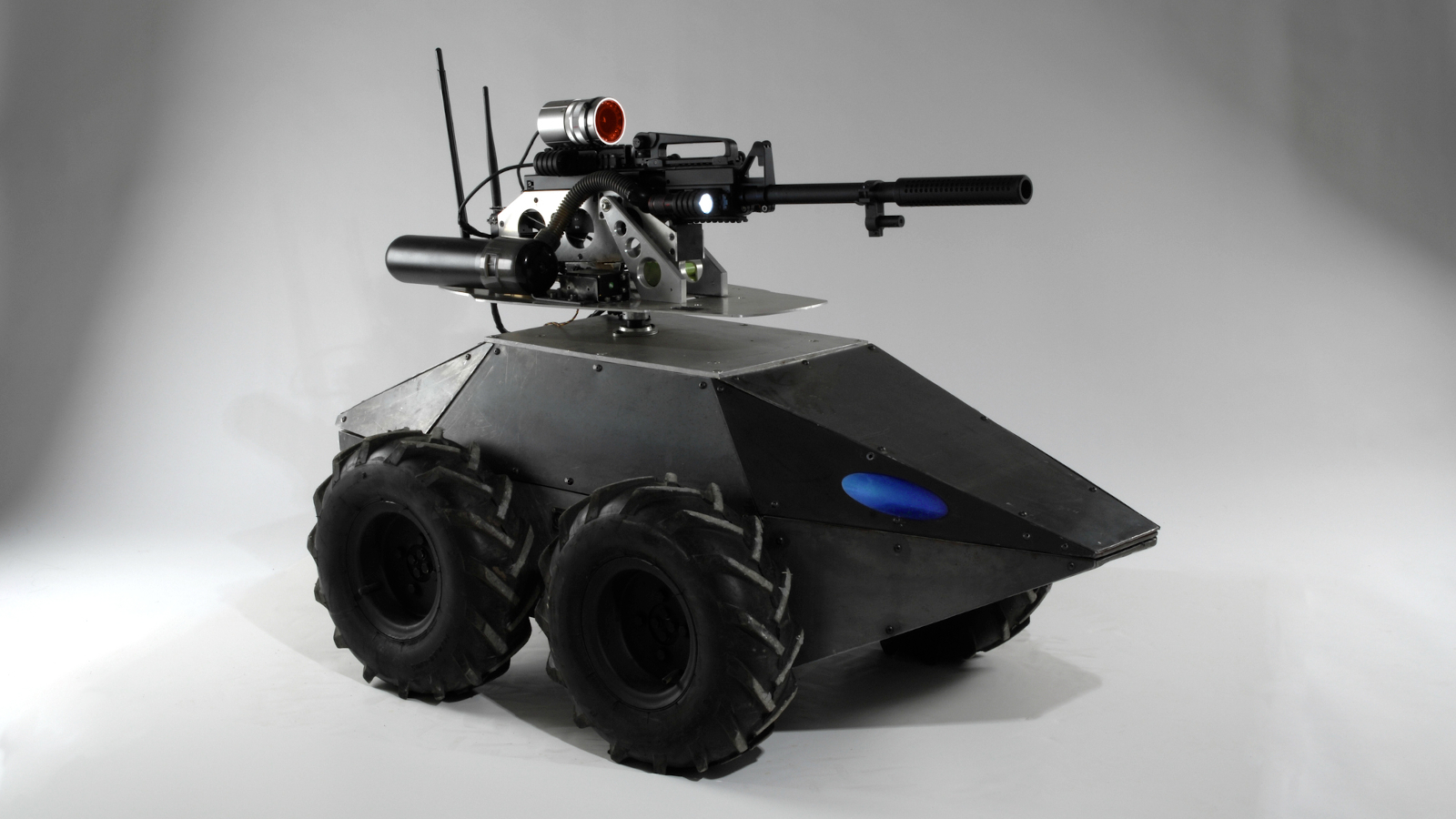
Military and security applications include bomb
disposal robots, surveillance drones, and unmanned vehicles for reconnaissance
in hazardous environments.
Smart Cities
Robotics enhances urban safety and efficiency
through applications such as humanoid robots offering navigation and
information services, AMRs for deliveries and security patrols, and robots
aiding in construction site surveys and building modeling.
These applications underscore the wide-ranging
impact of robotics in improving efficiency, safety, and innovation
across industries, contributing to advancements in technology and quality of
life globally.
India in the Context
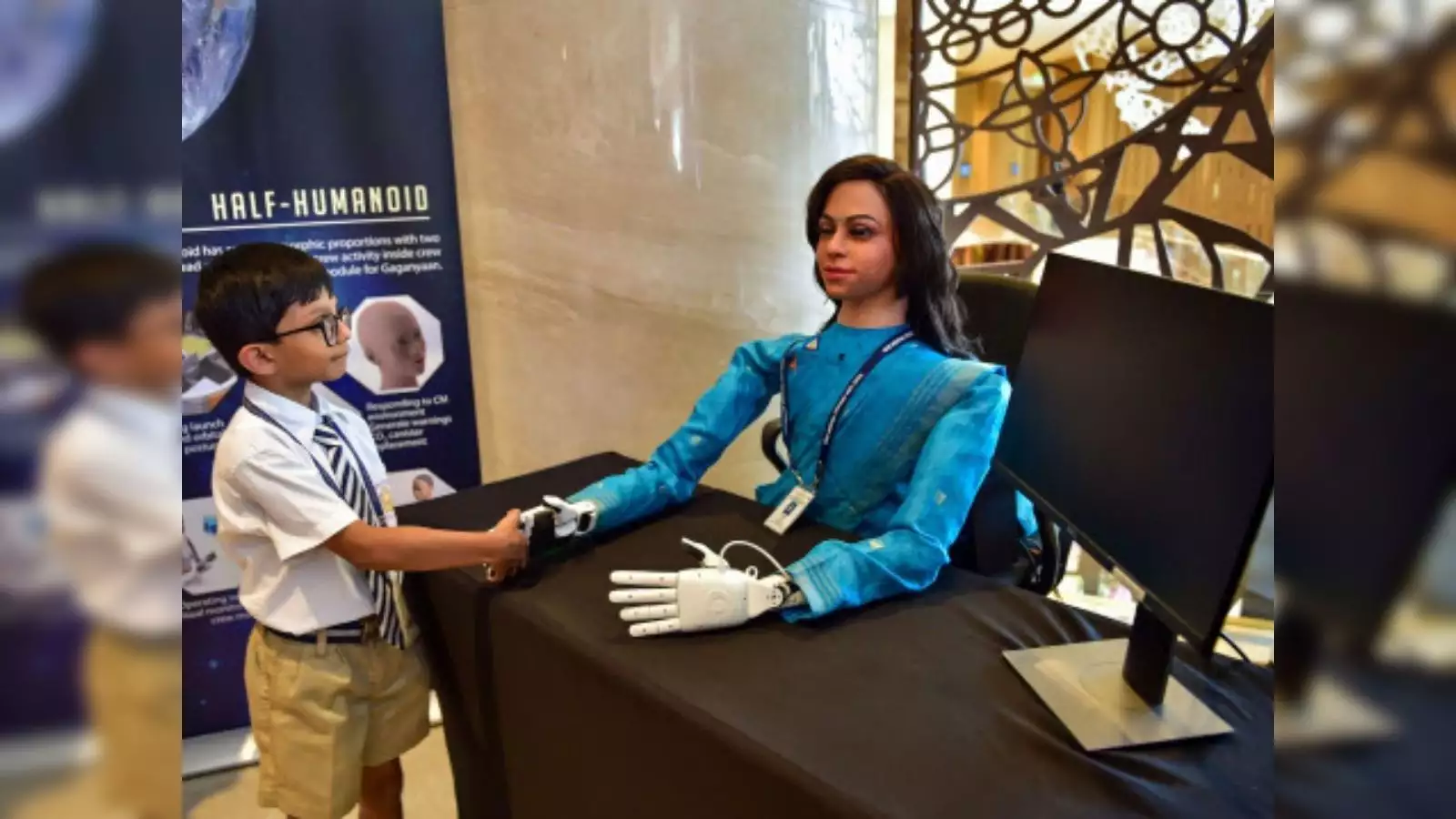
In the realm of space exploration, ISRO
(Indian
Space Research Organisation) is developing humanoid robots like Vyommitra
to assist in manned missions, including the ambitious Gaganyaan project
scheduled for 2024.
Additionally, the Defence Research &
Development Organisation (DRDO) is actively involved in developing
robotic platforms for defence applications through its various establishments,
including Combat Vehicles Research and Development Establishment (CVRDE) and
Centre for Artificial Intelligence and Robotics (CAIR).
To enhance skills and foster innovation in
robotics, India has implemented capacity-building initiatives such as FutureSkills
Prime under MeitY (Ministry of Electronics and Information Technology),
Atal
Innovation Mission (AIM) promoting DIY kits in emerging technologies,
and e-YANTRA,
a robotics outreach program funded by the Ministry of Education.
Moreover, India's efforts in robotic
innovations under the Make-in-India initiative include DAKSHA,
an automated platform for handling multi-purpose payloads with stair-climbing
capabilities, and MANAV, the country's first 3D-printed humanoid robot designed
for interactive tasks based on human commands, demonstrating India's strides
towards technological self-sufficiency and innovation in robotics.
Issues to be addressed in robotics
Despite the significant advancements in
robotics, several challenges persist that need careful consideration and
resolution for safe and effective deployment in real-world applications:
Safety Concerns
Industrial robots can pose safety risks, with
incidents potentially leading to severe injuries or fatalities. Enhancing
safety protocols and developing effective human-robot collaboration methods are
critical priorities.In 2015, a tragic incident at a Volkswagen factory in
Germany reportedly resulted in the death of a worker due to a robot
malfunction.
Ethical Concerns
The rise of AI-powered robots raises ethical
questions, such as the development of autonomous weapons and concerns about
algorithmic biases in decision-making processes. Ethical dilemmas in sectors
like healthcare and law enforcement are particularly significant.
Cybersecurity Risks
With increased connectivity, robots are
vulnerable to cyber-attacks that could compromise their operation and data
integrity. For instance, the 2017 "WannaCry" ransomware attack
affected a US robot manufacturing facility.
Data and Algorithm Bias
Robots trained on biased datasets may
perpetuate societal biases, impacting decisions and outcomes. A notable example
includes Amazon's facial recognition software, which exhibited bias in gender
identification in 2019.
Job Displacement
Automation and robotics in industries can lead
to job losses, posing socio-economic challenges. Estimates suggest significant
job displacement in sectors like manufacturing, which could affect millions of
workers globally.
Cost and Accessibility
High development and deployment costs limit the
accessibility of robotics technology, particularly for smaller industries and
regions with fewer resources.
Regulatory Frameworks
The absence of standardized regulations raises
concerns regarding safety, liability, and ethical use of robotics. Establishing
clear guidelines for the development, deployment, and operation of robotic
systems is essential to mitigate risks and ensure responsible innovation.
Conclusion
Addressing these challenges requires
collaborative efforts among governments, industries, researchers, and the
public to foster innovation while ensuring the safe and ethical integration of
robotics into society. Overall, India is poised to leverage robotics technology
for industrial growth, innovation across sectors, and advancements in research
and development, contributing to its technological and economic progress on the
global stage
Sources: vajiramandravi.com, mdpi.com,
indiatimes.com, azorobotics.com,
www.intel.la, thefabricator.com, automation-control.com.au, techovedas.com,
digikey.com, sciencenews.org,
ul.com, automation.com,
3blmedia.com, wsj.com,
opportunityindia.com, discovermagazine.com, howstuffworks.com
Compiled by: Shorya Bisht